



Compressed Packaging for Cost-Efficient Furniture Logistics

Rising freight rates, limited container capacity, and increasing warehousing costs are pushing furniture and soft furnishing brands to rethink how products are packaged and shipped. For foam sofas, mattresses, cushions, and seating products, traditional packaging often results in wasted space—driving up logistics costs across the supply chain.
Compressed packaging offers a proven solution. By significantly reducing product volume during transportation and storage, compressed packaging helps manufacturers, brands, and distributors lower shipping expenses while maintaining product performance and comfort.
What Is Compressed Packaging?
Compressed packaging is a logistics-oriented packaging method that reduces the physical volume of products for transportation and storage. In furniture and foam-based products, this is commonly achieved through:
- Vacuum compression of foam structures
- Roll-packed or foldable product design
- High-resilience foam that fully recovers after unpacking
This approach allows large, comfort-driven products to be shipped in compact packages without compromising quality.
Key Ways Compressed Packaging Reduces Logistics Costs
1. Improved Container Utilization
Logistics costs are largely calculated by cubic volume rather than product value. Compressed packaging enables:
- Higher unit count per container
- Better pallet efficiency
- Lower shipping cost per product
For international shipping, especially ocean freight, improved container utilization can result in significant cost savings.
2. Lower Freight and Transportation Costs
By reducing packaged size, compressed products help brands minimize:
- Ocean freight costs
- Air freight dimensional weight charges
- Domestic and last-mile delivery expenses
This is particularly important for global distribution and e-commerce fulfillment, where transportation costs directly impact profit margins.
3. Reduced Warehousing and Storage Costs
Smaller packaged products require less warehouse space, allowing businesses to:
- Increase inventory density
- Reduce long-term storage fees
- Improve warehouse turnover efficiency
Compressed packaging supports more flexible inventory management, especially for high-volume or seasonal product lines.
4. More Efficient Handling and Operations
Compact packages are easier to move, stack, and handle throughout the supply chain. Benefits include:
- Faster loading and unloading
- Lower labor and handling costs
- Reduced risk of transit damage
Operational efficiency improves not only at the manufacturing level, but also for distributors, retailers, and fulfillment centers.
5. Reduced Packaging Materials and Waste
Compressed packaging often uses optimized outer packaging, which leads to:
- Less cardboard and plastic usage
- Lower packaging material costs
- Reduced waste during unpacking
This aligns with sustainability goals while also contributing to overall cost reduction.
Why Product Engineering Is Critical for Compressed Packaging
Not all furniture or foam products are suitable for compression. Without proper engineering, compressed packaging may result in poor shape recovery, durability issues, or customer complaints.
Effective compressed packaging requires:
- High-density, high-resilience foam formulations
- Structurally stable product design
- Reliable recovery performance after decompression
Product design and packaging strategy must be developed together to ensure long-term quality and logistics efficiency.
TAOFORM: Engineered for Compression, Designed for Global Logistics
TAOFORM is positioned as a foam furniture and soft furnishing manufacturer focused on compressible, logistics-efficient product solutions. Rather than treating compression as an afterthought, TAOFORM integrates packaging efficiency directly into product design.
TAOFORM’s core product categories include:
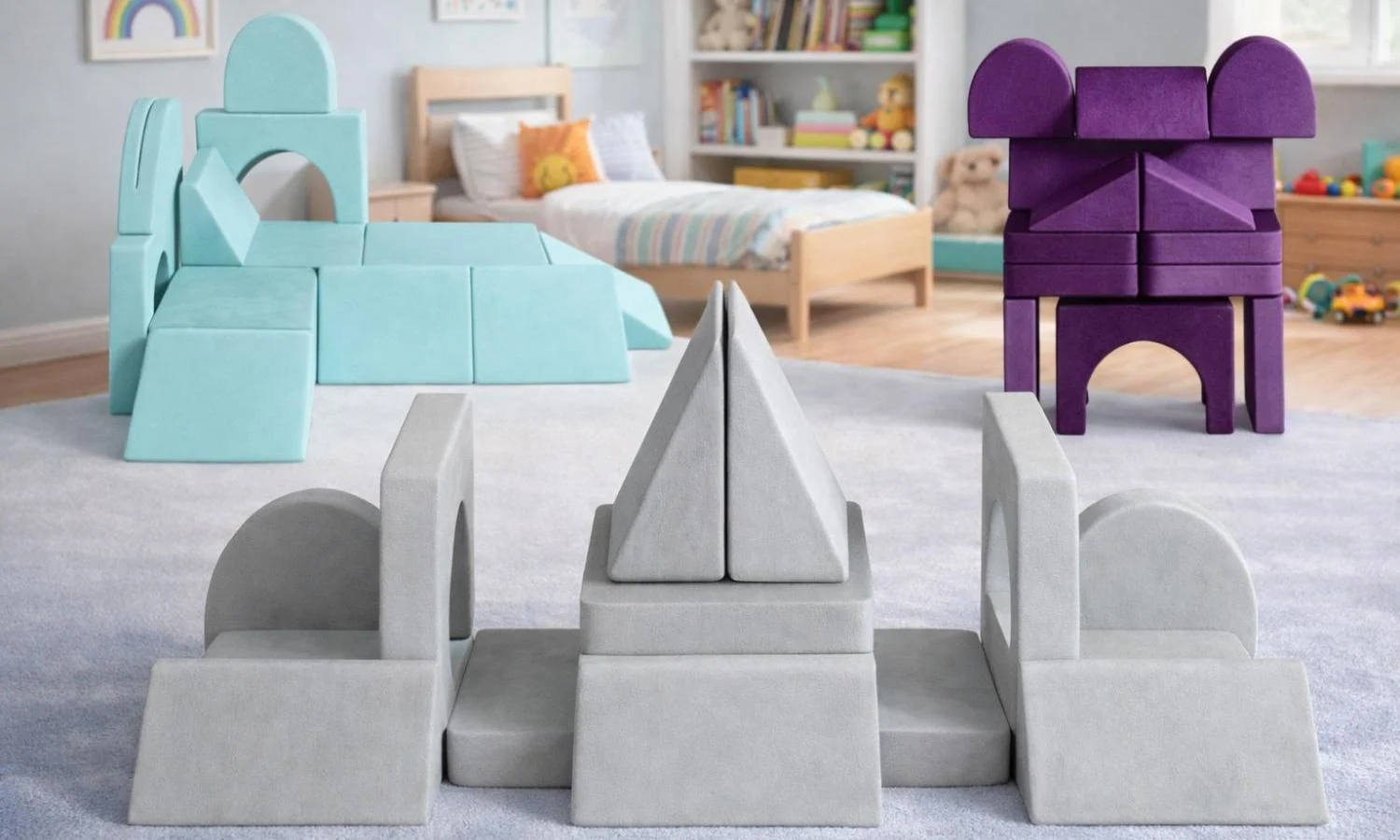
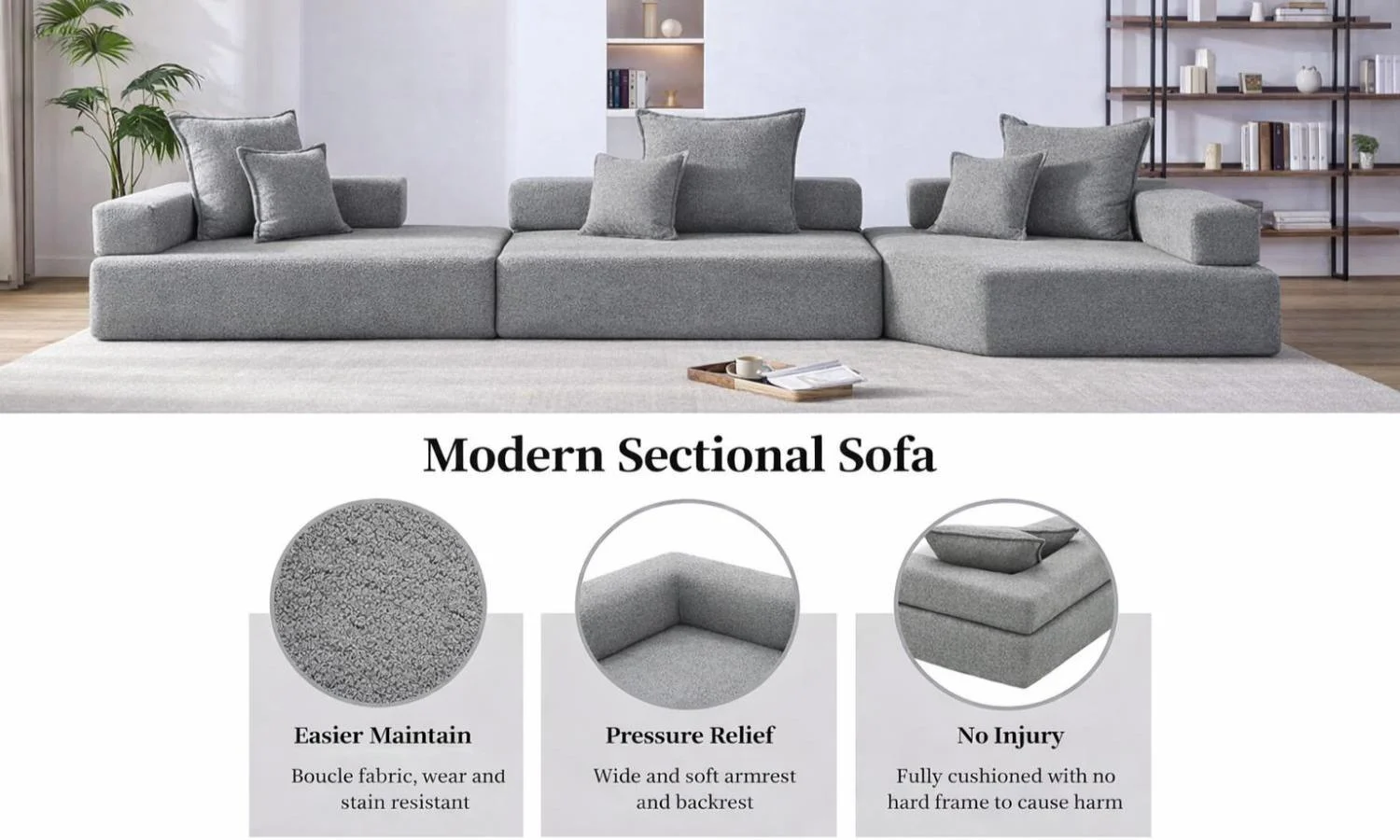
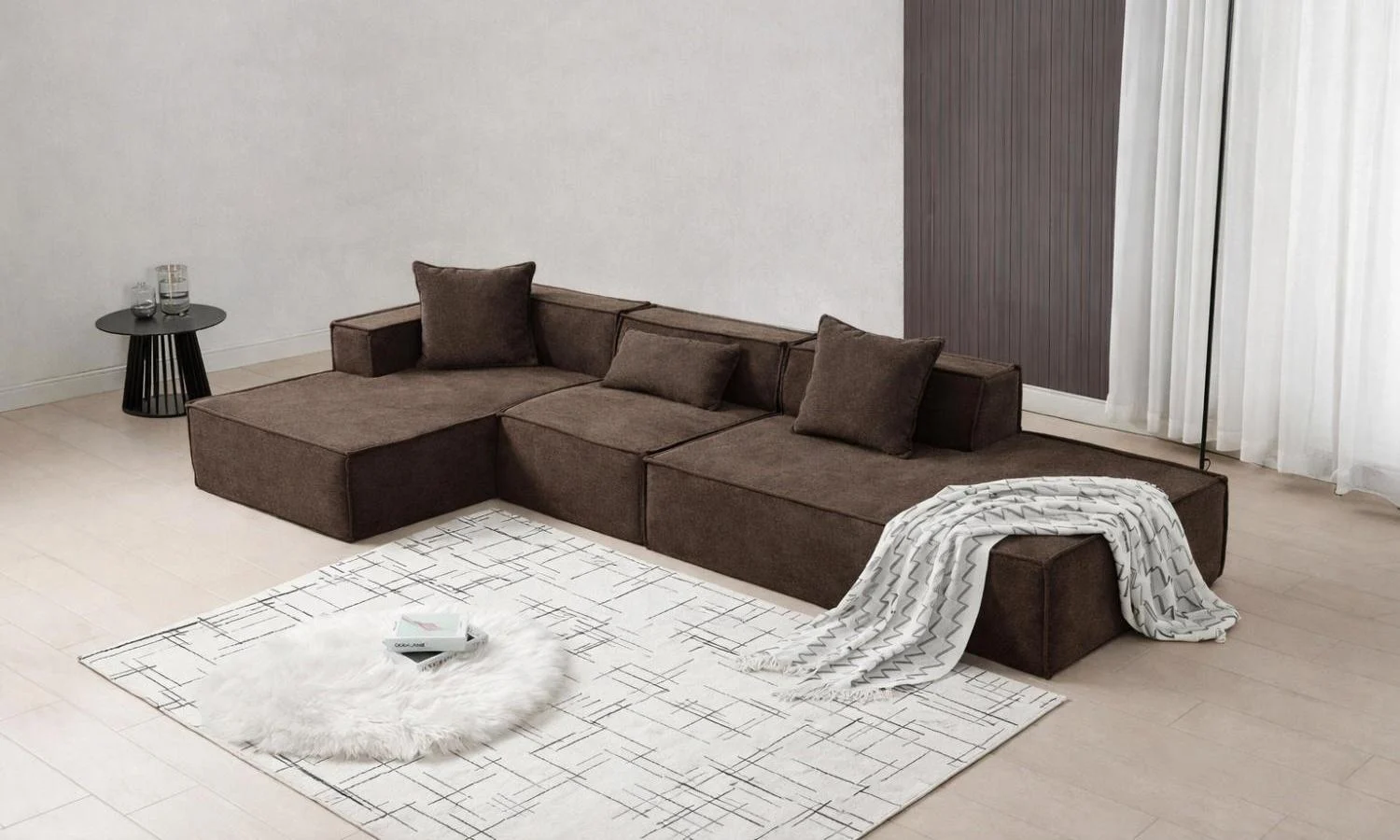
- Compressible foam sofas and modular seating
- Foldable and vacuum-packed lounge chairs
- Compressed foam mattresses and floor mats
- Compressible cushions, seat pads, and custom pillows
By combining material optimization, recoverable foam structures, and scalable manufacturing processes, TAOFORM helps global brands and distributors reduce logistics costs while maintaining comfort, durability, and consistent product quality.
Conclusion
Compressed packaging is no longer just a packaging trend—it is a strategic logistics solution. By reducing shipping volume, improving container utilization, and lowering storage and handling costs, compressed packaging delivers measurable value across the supply chain.
For furniture and foam product brands operating in global markets, partnering with manufacturers like TAOFORM—who are engineered for compression and efficiency—can create long-term cost advantages and operational flexibility.