



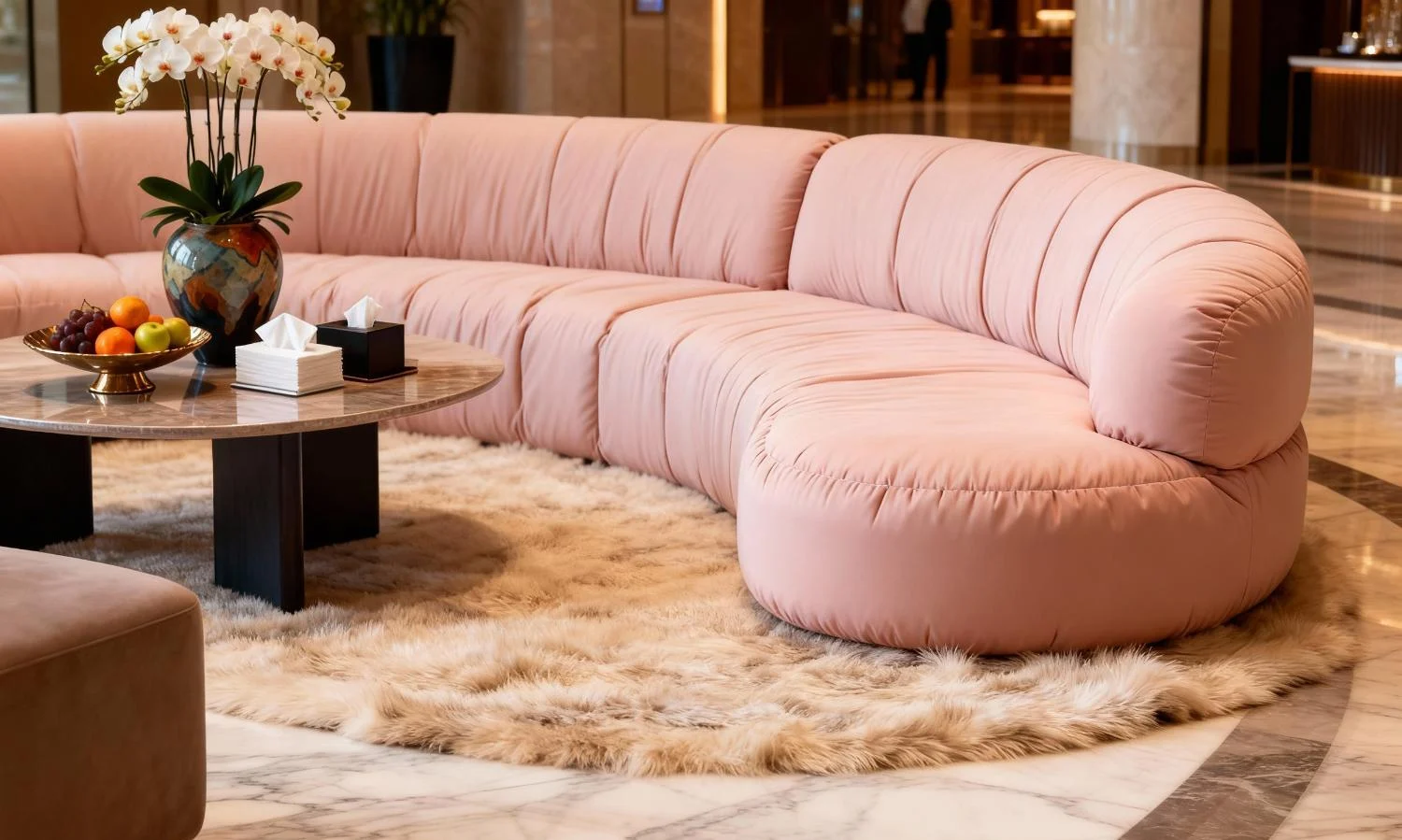
Why Modular and Foldable Furniture Is the Future?

The way we live is changing—and furniture is changing with it. Urbanization, flexible lifestyles, remote work, and global e-commerce are reshaping how people use space. In this new reality, modular and foldable furniture is no longer a niche concept; it’s becoming the new standard.
Here’s why this shift is happening—and why it’s only accelerating.
1. Living Spaces Are Getting Smarter, Not Bigger
Across the world, living spaces are shrinking while expectations are growing. People want homes that adapt to different moments of the day: work, rest, entertainment, family time.
Modular and foldable furniture allows one space to serve multiple functions:
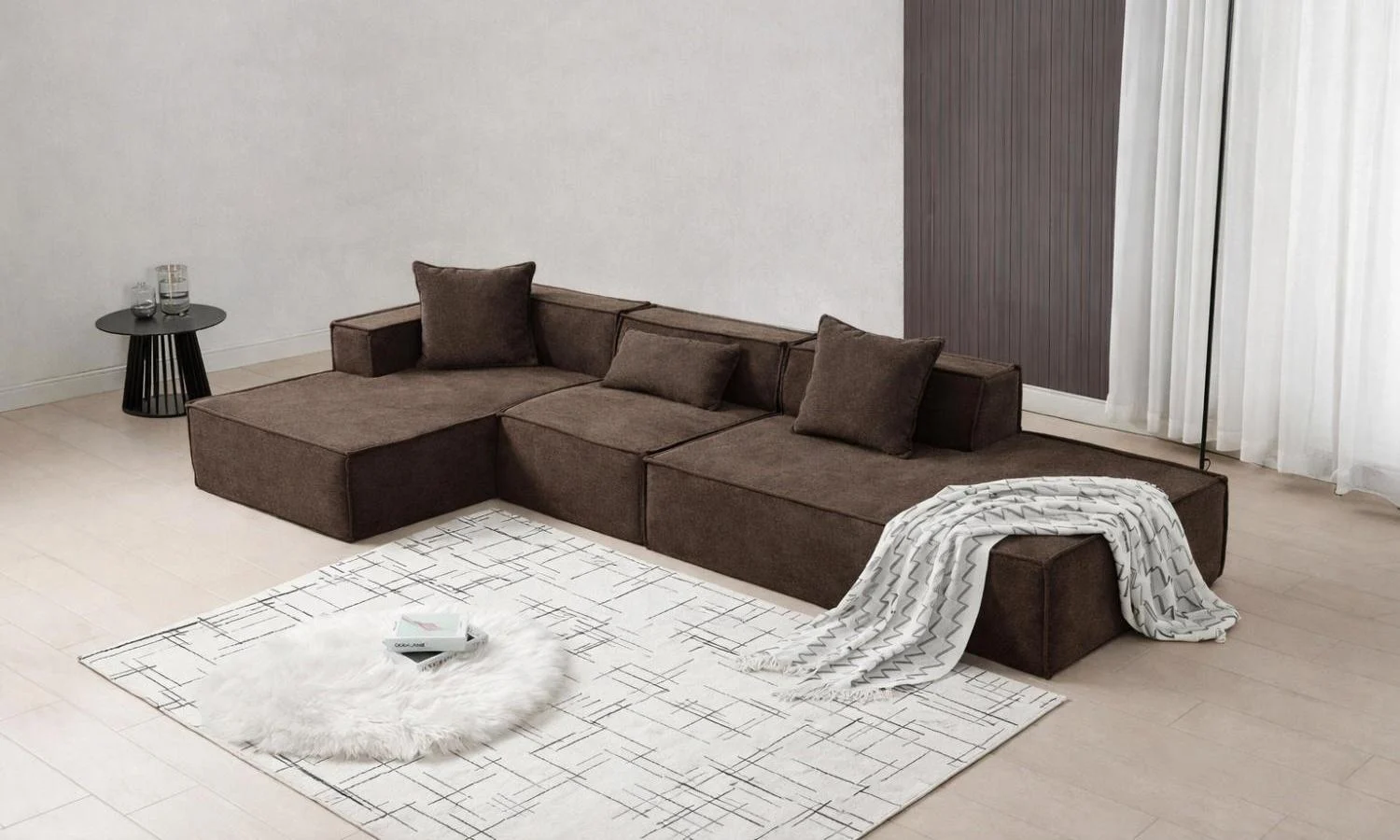
- A sofa becomes floor seating for guests
- A mattress folds away during the day
- Modules rearrange for social or private use
Instead of adding more furniture, people are choosing furniture that does more.
2. Flexibility Matches Modern Lifestyles
Today’s consumers move more often—between cities, jobs, and life stages. Fixed, heavy furniture no longer fits this reality.
Modular systems offer:
- Easy reconfiguration as needs change
- Simple replacement of individual components
- Future expansion without full replacement
This flexibility appeals especially to renters, young families, and design-conscious users who don’t want to “lock in” their space.
3. E-commerce Demands Smarter Furniture Design
Traditional furniture was never designed for online retail. Bulky volumes, high shipping costs, complex installation, and damage during transport are all friction points.
Foldable and modular furniture solves this by:
- Reducing shipping volume dramatically
- Enabling box delivery instead of white-glove logistics
- Lowering return rates through easier handling
For brands, this means better margins and global scalability. For customers, it means faster, simpler ownership.
4. Sustainability Is Becoming Non-Negotiable
Sustainability is no longer just a marketing angle—it’s a purchasing factor.
Modular furniture supports sustainability by:
- Extending product life through replaceable parts
- Reducing material waste and overproduction
- Lowering carbon footprint through efficient shipping
Furniture that adapts lasts longer—and longer-lasting furniture is inherently more sustainable.
5. Design Is Shifting Toward Soft, Human-Centered Forms
There’s a clear movement away from rigid, over-engineered furniture toward softer, more approachable forms.
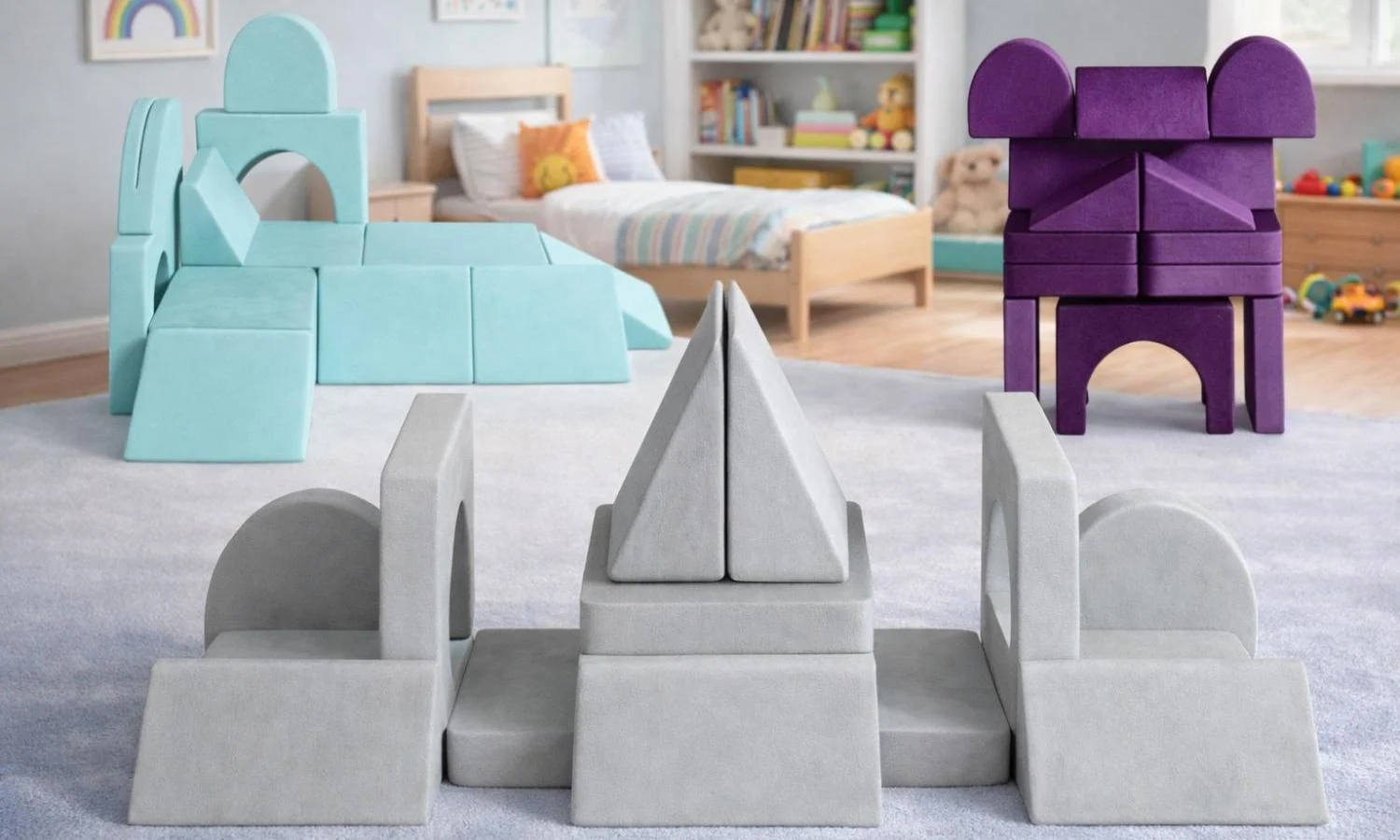
Foldable and foam-based modular furniture offers:
- Safer, family-friendly structures
- Low-profile, relaxed aesthetics
- Comfort-first design that fits casual living
This reflects a deeper cultural shift: homes are becoming places of recovery, not just display.
6. The Future Is Systems, Not Single Products
The most important shift is not the furniture itself—but how it’s designed and sold.
Instead of standalone pieces, the future belongs to:
- Coordinated furniture systems
- Modular collections that grow with users
- Products designed as part of a larger living solution
Brands that think in systems can serve more users, more scenarios, and more markets—with fewer SKUs.
Looking Ahead
Modular and foldable furniture isn’t a trend driven by novelty. It’s a direct response to how people live, move, and buy today.
Companies like TAOFORM, which focus on soft, modular, and compressed furniture solutions, represent this next phase—where comfort, flexibility, and logistics efficiency are designed together from the start.
The future of furniture isn’t heavier or more complex.
It’s lighter, smarter, and built to adapt.
Explore more at www.taoform.com